
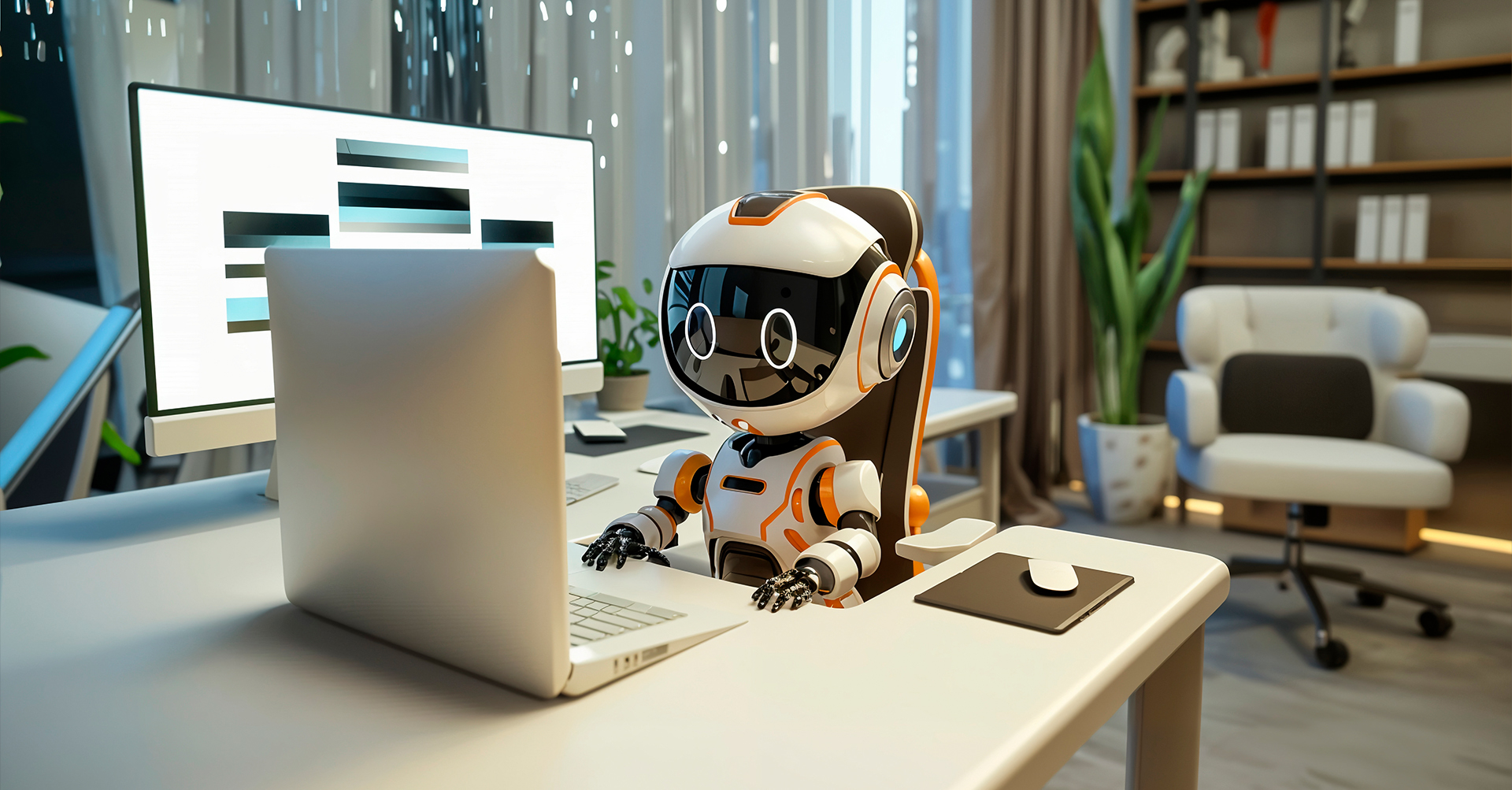
AI chatbots have evolved far beyond answering simple questions. Today’s models can write articles, generate code, analyze documents, summarize meetings, create images, search the web, and even act as personal assistants.
The challenge isn’t finding an AI chatbot anymore—it’s choosing the right one.
Some excel at writing, others shine in coding, research, or productivity. A few prioritize privacy, while others integrate deeply with ecosystems like Google, Microsoft, or Meta.
Here’s our roundup of the best AI chatbots worth trying right now.
TL;DR
- AI chatbots now specialize in different tasks instead of trying to do everything.
- ChatGPT remains the most versatile all-round assistant.
- Claude excels at long-form writing and coding assistance.
- Gemini integrates seamlessly with Google’s ecosystem.
- Copilot is ideal for Microsoft 365 users.
- Perplexity is one of the best AI-powered research assistants.
- Open-source models like DeepSeek continue to grow rapidly.
- Privacy-focused chatbots such as Duck.ai are gaining popularity.
The Best AI Chatbots Right Now
ChatGPT continues to be the benchmark for general-purpose AI assistants. It combines writing, coding, brainstorming, research, image generation, voice conversations, and web browsing into a single experience.
Its growing ecosystem of memory, custom GPTs, file analysis, and advanced reasoning models makes it suitable for students, professionals, developers, marketers, and creators alike.
Best for: Everyday productivity, writing, coding, research, and creative work.
Claude has earned a reputation for producing natural writing and thoughtful long-form responses. It’s particularly strong at editing documents, summarizing lengthy reports, analyzing PDFs, and helping developers understand complex codebases.
Its conversational style often feels more structured and nuanced, making it popular among writers and professionals.
Best for: Writing, editing, document analysis, and programming assistance.
Gemini integrates deeply with Google’s ecosystem, including Gmail, Docs, Sheets, Drive, Maps, and Android devices.
If much of your work already happens inside Google Workspace, Gemini can summarize emails, organize information, and help automate everyday tasks without leaving Google’s environment.
Best for: Google Workspace users and Android productivity.
Microsoft Copilot brings AI directly into Word, Excel, PowerPoint, Outlook, Teams, and Windows.
For enterprise users, it acts like an intelligent assistant that helps draft documents, analyze spreadsheets, summarize meetings, and automate repetitive office work.
Best for: Microsoft 365 productivity and enterprise workflows.
assistants available.
Unlike traditional search engines, it provides summarized answers alongside citations, allowing users to verify information quickly while exploring multiple sources.
Best for: Research, fact-checking, and web-based information gathering.
Meta AI is designed around Meta’s family of apps, including Facebook, Instagram, Messenger, and WhatsApp.
It supports conversational assistance, image generation, and social content creation while remaining tightly integrated into Meta’s ecosystem.
Best for: Social media users and casual conversations.
DeepSeek has quickly become one of the most talked-about open-weight AI models.
Known for strong reasoning capabilities and competitive coding performance, it has attracted developers looking for open alternatives to proprietary AI systems.
Its rapid development has also accelerated competition across the AI industry.
Best for: Open-source AI, coding, and technical reasoning.
Built by xAI, Grok integrates closely with X (formerly Twitter), allowing users to combine conversational AI with live discussions and trending topics.
Its tone is often more casual and conversational than traditional enterprise-focused assistants.
Best for: Real-time discussions, trending topics, and X users.
Poe acts as an AI hub rather than a single chatbot.
Users can access multiple leading AI models—including ChatGPT, Claude, Gemini, and others—from one interface, making comparisons much easier.
It’s especially useful for people who frequently switch between models.
Best for: Comparing multiple AI models in one app.
Le Chat is Mistral AI’s conversational assistant built around fast inference, multilingual capabilities, and efficient reasoning.
It offers an excellent way to experiment with newer European AI models while benefiting from strong context handling and responsive performance.
Best for: Fast conversations, multilingual tasks, and experimenting with newer AI models.
Duck.ai focuses on privacy-first conversations by limiting data collection while allowing users to interact with several AI models.
It’s an attractive option for users who want AI assistance without sharing extensive personal information.
Best for: Privacy-conscious users.
Pi takes a different approach by emphasizing natural conversations and emotional intelligence over productivity.
Rather than acting as a work assistant, Pi focuses on thoughtful discussions, journaling, brainstorming, and personal reflection.
Best for: Casual conversations and personal support.
Slay the Spire practically defined the roguelike deck-building genre. Every run forces players to make difficult decisions, experiment with new card combinations, and adapt their strategy as challenges evolve.
How AI Chatbots Actually Work
Although every chatbot looks different, most follow the same core process behind the scenes.
When you type a prompt, your message is broken into small units called tokens. The AI model processes these tokens, predicts the most likely next token based on patterns learned during training, and repeats that prediction thousands of times until it generates a complete response.
Modern chatbot platforms add several additional layers on top of this process:
- Conversation history provides context for ongoing chats.
- System instructions guide how the chatbot should behave.
- Web search retrieves up-to-date information when needed.
- File analysis helps interpret uploaded documents, PDFs, spreadsheets, and images.
- Specialized AI models may handle reasoning, coding, image generation, or voice interactions separately.
Many leading chatbots now combine multiple AI models rather than relying on a single engine, allowing them to switch between speed, reasoning, creativity, and multimodal capabilities depending on the task.
Choosing the Right AI Chatbot
There’s no single chatbot that’s best at everything.
If you need an everyday AI assistant, ChatGPT remains one of the most balanced choices. Writers often prefer Claude, researchers lean toward Perplexity, while Google and Microsoft users benefit from their respective ecosystems.
As AI continues evolving, the biggest trend isn’t simply making chatbots smarter it’s making them better at specific workflows.
The best chatbot is ultimately the one that fits the way you already work.
Related Buzz: We also covered [Top 10 AI Agent Tools Powering Autonomous Workflows in 2026]