
AI-assisted creation is expanding beyond software into the physical world.
Vibe coding hardware is now extending into new domains, as Atech, a Danish startup backed by Lovable, is building an AI-powered platform aimed at simplifying hardware prototyping through conversational, chat-based workflows.
According to reporting from TechCrunch, the startup recently raised an $800,000 pre-seed round that also included a16z’s scout fund, Sequoia Scout Fund, and Nordic Makers.
TL;DR
- Atech is building an AI-powered hardware prototyping platform.
- It uses chat-based workflows to generate code for hardware kits.
- The startup is backed by Lovable and other investors in an $800K round.
- The approach extends the “vibe coding” concept from software into hardware.
- It reflects a broader shift toward AI-assisted creation tools.
How the Platform Works
The concept is simple.
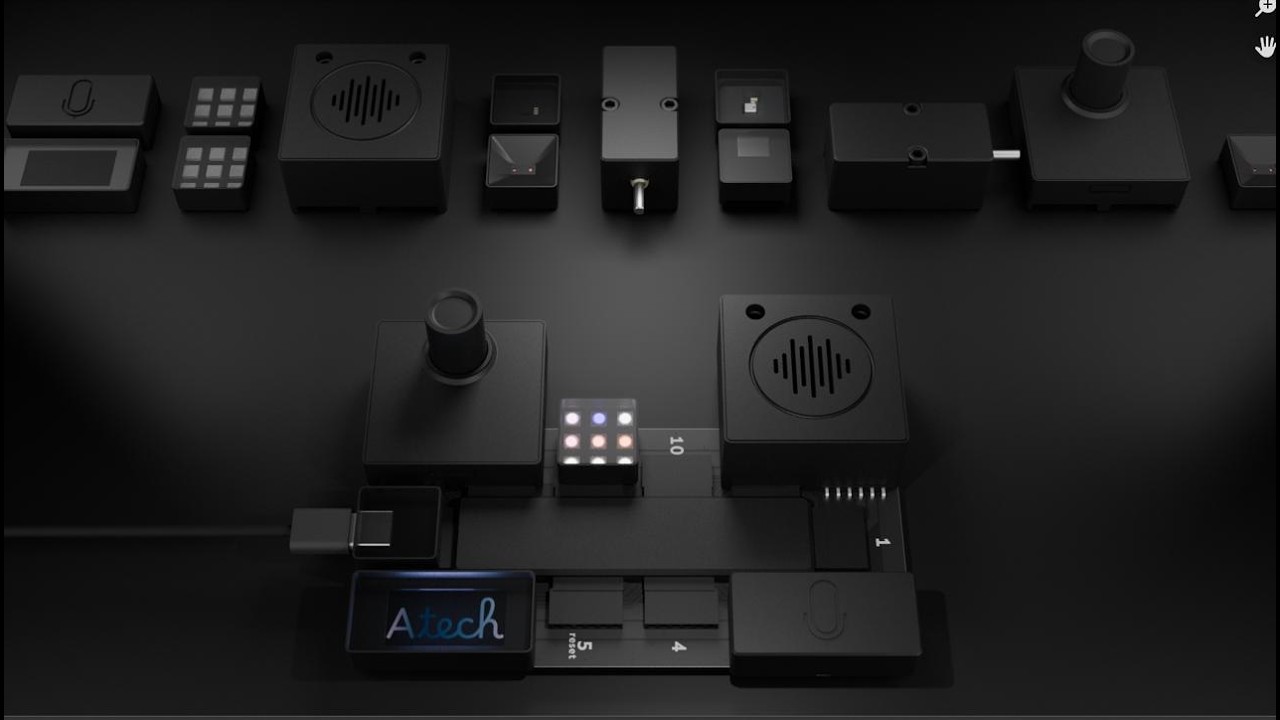
Users purchase a hardware starter kit from Atech, describe what they want to build in a chat interface, and the system generates code that helps turn the idea into a working prototype.
This approach mirrors the “vibe coding” trend seen in software development, where users focus on intent while AI handles much of the implementation.
Why Hardware Is the Next Challenge
Hardware development has traditionally required:
- engineering expertise
- embedded systems knowledge
- physical components and testing
- longer prototyping cycles
Atech’s approach attempts to reduce this complexity by using AI to assist with early-stage development and experimentation.
The company notes that its users range from beginners building simple projects to more advanced experimental use cases involving precise hardware control.
A Bigger Shift in How Things Get Built
The rise of tools like this signals a broader shift in how creation tools are evolving.
Instead of requiring deep technical skill upfront, more systems are moving toward:
- natural language input
- guided AI generation
- rapid prototyping loops
This doesn’t eliminate complexity, but it changes where it sits in the workflow. The focus is shifting from how to build to what to build.