
TL;DR
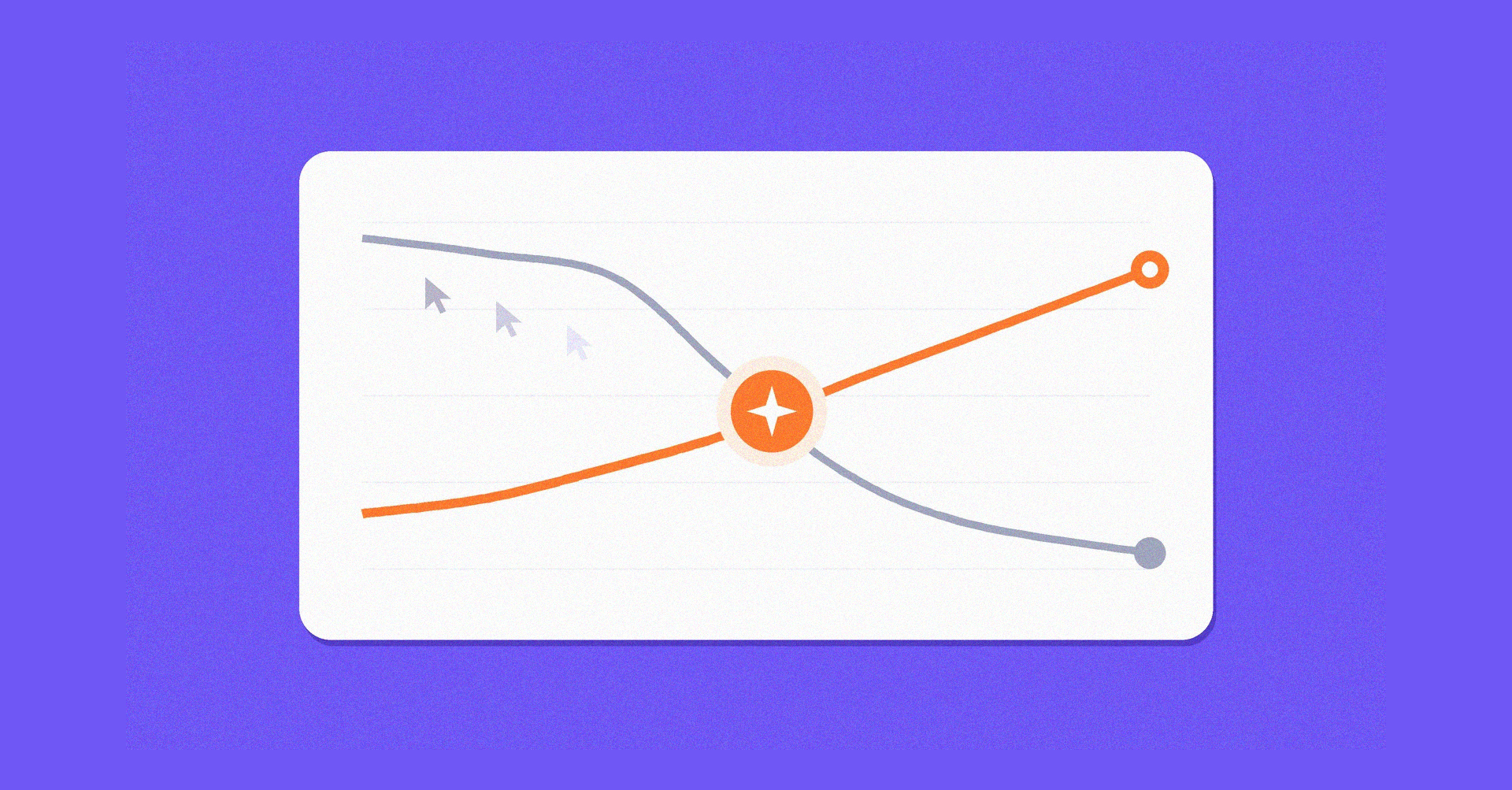
- The paradox: HubSpot lost about 80% of its organic blog traffic to AI answers, yet revenue grew nearly 20% in 2025.
- Why it didn’t hurt: most of the lost visitors came for broad questions and were never going to buy. AI now answers those questions for them.
- What replaced it: about 90% of HubSpot’s content leads now come from its newsletter, podcasts, creators and YouTube, and visitors from AI answers convert about 3× better than search visitors.
- The lesson for you: stop judging your blog by pageviews alone. Track what readers do, build a channel you own, and check whether AI tools cite you.
What happened
| Number | What it means | Source |
|---|---|---|
| 20M+ | HubSpot’s peak organic blog visits per month | SEJ |
| ~80% | Share of that organic traffic lost as AI answers spread | SEJ |
| ~5M | Visits lost in one 30-day period after Google rolled out AI Overviews | SEJ |
| Nearly 20% | HubSpot’s revenue growth in 2025, per Bodnar | SEJ |
The 7 lessons
1. Not all traffic is worth keeping
Bodnar says much of the traffic HubSpot lost came from broad questions asked by people who were never going to buy software. AI answers now cover those questions, so the visits disappeared, but few customers went with them.
For bloggers: look at which posts bring readers who subscribe, click or buy. Those are the posts to protect.
2. Change your scoreboard
“Website traffic used to track growth,” Bodnar said. “Now we look at revenue per visit, AI share of voice, and content-influenced pipeline”.
For bloggers: SEJ suggests adding one business metric to your SEO report. For a blog, that could be newsletter sign-ups per post.
3. Cut pages that don’t pull their weight
HubSpot pruned blog pages that weren’t reaching customers. SEJ gives the figure as “more than 3,000” in one section and “more than 30,000” in another, and Marketing Mag reports more than 30,000.
For bloggers: AI Ready CMO suggests listing your top landing pages with the leads or sales each produced in the last 12 months. Update, merge or remove the ones that produce nothing.
4. Don’t depend on one channel
HubSpot bought The Hustle newsletter in 2021, built a podcast network in 2021, launched a creator program in 2022 and built a YouTube network in 2023. Today about 90% of its content leads come from channels like these, and the blog brings about 10%.
For bloggers: start one channel you own, like a newsletter or a WhatsApp channel, before you need it.
5. Visitors from AI answers are worth more
Visitors who arrive from AI answers convert at about three times the rate of traditional search, and their deal cycles run about half as long. Qualified leads from AI answers grew 1,850% between Q1 2025 and Q1 2026, though SEJ notes that figure “almost certainly starts from a small base”.
For bloggers: being cited by ChatGPT, Perplexity or Google AI Mode can matter more than ranking for a broad keyword.
6. Track mentions and citations separately
HubSpot tracks when AI answers mention it and when they cite (link to) it, across its key prompts. It also tracks which sources AI engines draw from, such as Reddit, LinkedIn, YouTube and G2.
For bloggers: SEJ recommends picking the 25 to 50 prompts that matter most to you and checking how AI tools answer them. Try it with questions from our ChatGPT alternatives guide.
7. Write for longer questions
Bodnar says a traditional search query is two to four words, but prompts in AI tools now run 40 to 100 words.
For bloggers: answer the full, specific question a reader would type into a chatbot, not just a short keyword.
The catch
HubSpot’s story isn’t a clean success, and the sources say so:
- Attribution is fuzzy. Bodnar admits “attribution is imperfect,” because many people who see a citation in an AI answer never click .
- The big AI number starts small. The 1,850% growth in AI-sourced leads “almost certainly starts from a small base” .
- Growth came with cuts. On October 6, 2026, HubSpot announced it would cut nearly 660 jobs, about 7% of its workforce.
- Earlier estimates were disputed. Before Bodnar’s interview, third-party traffic estimates of HubSpot’s drop circulated, and HubSpot said they were inaccurate. The figures in this post come from Bodnar himself.
- AI traffic can hide in your reports. Gemini appears to have stopped tagging the links it cites with utm_source=gemini around September 28, so some AI visits may not show up as AI traffic.
FAQ
How much traffic did HubSpot lose? About 80% of its organic blog traffic, from a peak of more than 20 million visits a month, according to CMO Kipp Bodnar.
Did HubSpot’s revenue fall too? No. Bodnar says revenue grew nearly 20% in 2025.
What caused the traffic drop? AI answers now cover many of the broad questions HubSpot’s posts targeted, and HubSpot also pruned pages that weren’t reaching customers.
Where do HubSpot’s leads come from now? About 90% of its content leads come from channels such as its newsletter, podcasts, creator program and YouTube. The blog brings about 10%.
What should small blogs do? Measure what readers do, not just how many arrive. Build at least one channel you own, and check whether AI tools mention or cite you for the questions that matter to your site.