Why Training Models Is the New Coding
AI NOW
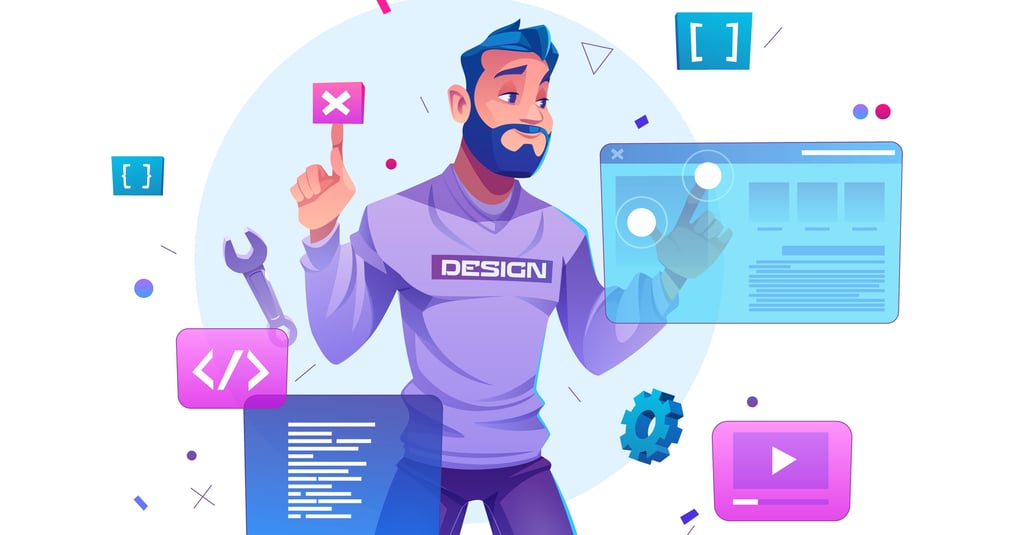
For years, being “technical” meant one thing: writing code. You learned syntax. You debugged line by line. You optimized functions. You shipped features built brick by brick. Skill was measured in how precisely you could instruct a machine using rigid rules.
But something subtle has shifted. You can now describe what you want and the machine writes the code. That changes the center of gravity
TL;DR
Coding isn’t gone. It’s evolving. Vibe coding shifts focus from syntax to direction. Training and tuning models shift leverage from execution to calibration. The builders who win in this AI-native era won’t just know how to write code. They’ll know how to shape the systems that write it.
From Writing Code to Shaping Outcomes
When large language models entered the workflow, they didn’t just make coding faster. They changed the interface between humans and software. Instead of starting with syntax, you start with intent. You describe a feature. You outline constraints. You explain the behavior you want.
The system generates a draft. You refine it. You steer it. You adjust tone, structure, logic. You’re no longer assembling every component manually. You’re guiding a system that assembles it for you. That’s not traditional coding. It feels closer to product thinking.
Vibe Coding Is Directional Thinking
“Vibe coding” sounds unserious, almost dismissive. But underneath the phrase is something real. It’s about direction rather than construction. You don’t obsess over every line. You focus on clarity of intent. You iterate through feedback.
You refine until it feels right. The constraint is no longer syntax it’s judgment. What should this product feel like? What’s the right abstraction? What matters and what doesn’t? These are product questions, not purely engineering ones.
The Product Manager and the Developer Are Converging
Traditionally, product managers defined the vision and engineers implemented it. There was a translation layer between intent and execution. AI compresses that gap. If you can articulate a product clearly enough, the system can scaffold interfaces, draft APIs, generate documentation, and even structure databases.
The distance between idea and implementation shrinks dramatically. The new leverage comes from defining the right problem and steering execution effectively. In that sense, vibe coding isn’t replacing coding. It’s absorbing part of product management into the act of building.
Training and Tuning Become the New Depth
If AI can generate code, then typing speed and memorized syntax lose their advantage. What becomes valuable instead is understanding how to shape the system itself. Training data selection. Fine-tuning. Prompt architecture. Guardrails.
Evaluation loops. Feedback systems. Instead of writing every function manually, you design the environment that produces those functions reliably. The skill shifts from assembling output to calibrating the engine. That’s not less technical. It’s a different layer of technical.
Language Becomes the Interface
When language becomes the primary interface to machines, clarity becomes power. Those who can define problems precisely, reduce ambiguity, set constraints thoughtfully, and iterate systematically will move faster than those who simply type quickly.
The bottleneck moves upward. From writing lines to shaping systems. From solving micro problems to structuring macro ones.
This Isn’t the Death of Coding
Deep engineering still matters. Infrastructure, performance optimization, distributed systems none of that disappears. But the entry layer of coding is flattening. And when the entry layer flattens, leverage moves toward those who can think structurally.
Vibe coding isn’t about being casual. It’s about having strong taste, direction, and systems awareness. The future builder won’t just write code. They’ll orchestrate it.
Where business meets innovation, and trends turn into opportunities. Stay sharp, stay ahead, and catch the buzz that’s shaping the future.