Why Digital Ownership Will Matter More Than Ever in 2026
WEB3 WORLD
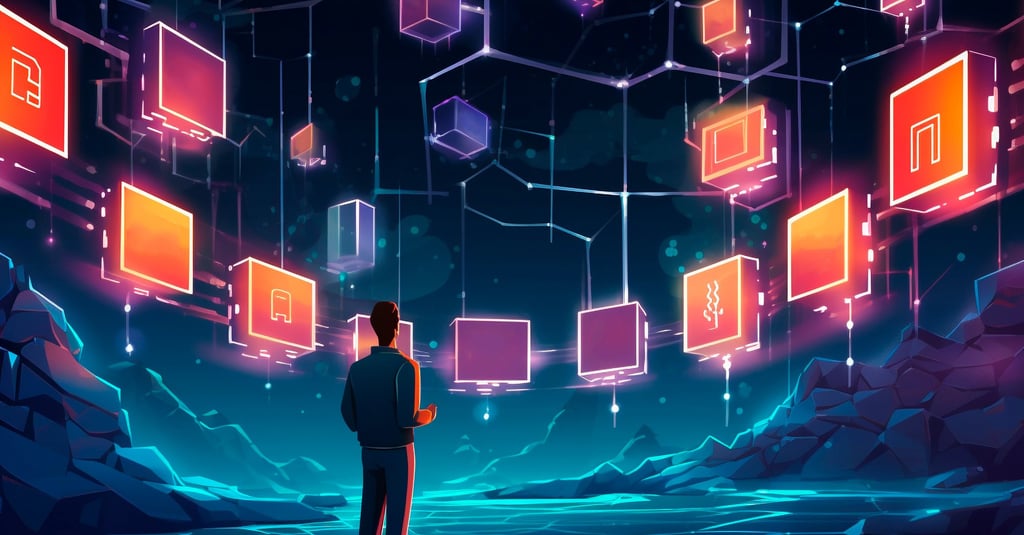
For most of the internet’s history, ownership was optional.
You used platforms. You posted content. You built audiences. But very little of what you created was truly yours.
Accounts could be suspended. Reach could disappear overnight. Features could change without warning. For a long time, people accepted this tradeoff because the internet was fun, free, and growing.
In 2026, that acceptance is fading.
The Shift From Access to Control
The early internet trained us to value access over ownership. You didn’t need to own music if you could stream it. You didn’t need to own software if you could subscribe to it. You didn’t need to own your audience if a platform could deliver one.
That model worked until access became fragile.
Accounts get locked. Algorithms change. Platforms disappear. Suddenly, people are realizing that access is temporary, but ownership creates leverage.
Why This Question Is Coming Back Now
Digital ownership isn’t a new idea. What’s new is the urgency around it.
People have seen creators lose years of work overnight. Gamers have watched digital items vanish with server shutdowns. Businesses have learned that “building on someone else’s platform” comes with invisible risk.
In 2026, the question isn’t “What can I use?”
It’s “What do I actually control?”
Ownership Is Becoming an Identity Issue
Digital ownership is no longer just about assets. It’s about identity.
Your wallet, your domain, your content, your digital footprint these are becoming extensions of who you are online. Not just what you consume, but what you represent and what you can take with you.
That’s a big shift from renting attention to owning presence.
Platforms Are Optimized for Growth, Not Permanence
Platforms are designed to scale, not to preserve.
Their incentives are clear: maximize engagement, control distribution, and retain power over the ecosystem. That doesn’t make them evil it makes them predictable.
Ownership introduces friction for platforms because it reduces dependency. And dependency has always been the real currency of the internet.
In 2026, more people are noticing this imbalance.
Web3 Didn’t Invent Ownership — It Made It Visible
Blockchain, NFTs, and wallets didn’t create the idea of ownership. They made it explicit.
They introduced the idea that digital things can be portable, verifiable, and independent of platforms. Even if people don’t fully understand the tech, they understand the feeling of “this is mine.”
That psychological shift matters more than the technology itself.
Why Convenience Is Losing Its Appeal
For years, convenience won. Centralized platforms were easier, faster, and safer until they weren’t.
Now, people are willing to tolerate a little friction in exchange for control. They’re asking harder questions. Where does this live? Who owns it? What happens if this platform goes away?
Convenience is still attractive. But permanence is starting to matter more.
Digital Ownership as a Long-Term Strategy
In 2026, digital ownership isn’t about rebellion or ideology. It’s about resilience.
Owning your digital assets means:
You’re less vulnerable to platform changes
You can move without starting over
Your work compounds instead of disappearing
It’s not about escaping platforms entirely. It’s about not being trapped by them.
This Is a Cultural Shift, Not a Tech Trend
The rise of digital ownership mirrors broader changes in how people think about work, creativity, and independence.
People want optionality. They want portability. They want systems that respect their time and effort. Ownership offers that slowly, imperfectly, but meaningfully.
That’s why this conversation isn’t going away.
TL;DR
Digital ownership will matter more in 2026 because access is fragile and control is powerful.
The future internet won’t just be about what you can use. It will be about what you can keep.
Ownership isn’t a luxury anymore. It’s becoming a necessity.
Where business meets innovation, and trends turn into opportunities. Stay sharp, stay ahead, and catch the buzz that’s shaping the future.