
Why Buttons Felt Better Than Touchscreens
TECH
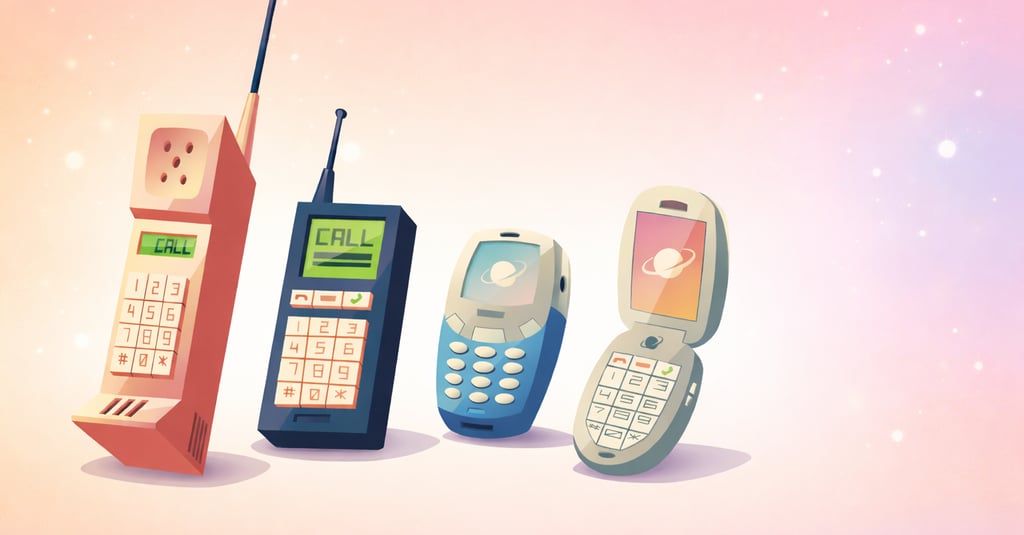
There was a time when technology pushed back.
You pressed something and it responded. Click. Clack. Resistance. Confirmation. You didn’t hope your action registered you knew it did.
Then touchscreens took over. Everything became glass. Flat. Silent. Technically impressive. Emotionally… vague. And somehow, along the way, we lost something small but important.
Buttons Gave You Certainty
A button didn’t ask for precision. It didn’t care about your finger angle or whether your hands were cold. You pressed it. It worked.
Touchscreens, on the other hand, require faith. Did it register? Was that a tap or a swipe? Why did it open the wrong thing?
Buttons gave instant feedback. Touchscreens give you hope and a loading spinner.
Muscle Memory Used to Matter
Buttons trained your hands. You could unlock your phone, change a song, or type a message without looking. Your fingers remembered where things were. Technology adapted to you — not the other way around.
Touchscreens erased that muscle memory. Every interaction now demands attention. Your eyes stay glued to the screen because your hands can’t guide you anymore.
Convenient? Sure. Effortless? Not really.
Tactile Feedback Made Tech Feel Human
Buttons had personality. A keyboard felt different from a remote. A camera shutter felt different from a power switch. Each press had texture, weight, intention.
Touchscreens flattened all of that into one gesture: tap.
When everything feels the same, everything means less.
Glass Is Efficient, Not Comforting
Touchscreens are amazing for flexibility. One surface can do a thousand things. That’s also the problem.
When every action happens on the same sheet of glass, interactions blur together. There’s no sense of place. No physical anchor. Just endless possibility which sounds nice until it becomes exhausting.
Buttons limited options. And limits, oddly enough, feel calming.
Why Buttons Are Making a Quiet Comeback
This isn’t nostalgia talking. It’s usability pushing back.
Cars are bringing back physical controls. Gaming consoles still rely on buttons. Mechanical keyboards are thriving. Even smartphones are reintroducing tactile elements in subtle ways.
Because when things matter volume, movement, timing people want feedback they can feel, not guess.
Touchscreens Made Tech Smarter, Not Better
Touchscreens weren’t a mistake. They were a tradeoff.
We gained flexibility and sleekness. We lost confidence and comfort. The problem isn’t that touchscreens exist it’s that we used them everywhere, even where they didn’t belong.
Not everything needs to be glass. Not everything needs to be hidden behind gestures.
The Real Reason We Miss Buttons
We don’t miss buttons because they were old. We miss them because they respected our attention.
They let us interact without staring. Decide without second-guessing. Feel without checking a screen for confirmation. In a world where everything demands focus, buttons quietly gave some of it back.
TL;DR
Buttons felt better because they were honest.
They clicked when pressed. They worked when needed. They didn’t ask for precision or patience. Touchscreens gave us elegance and flexibility but buttons gave us certainty.
Sometimes the future doesn’t need fewer buttons. It just needs fewer guesses.
Where business meets innovation, and trends turn into opportunities. Stay sharp, stay ahead, and catch the buzz that’s shaping the future.