Why App Overload Is Dying And AI Is Replacing It
BUILDERS
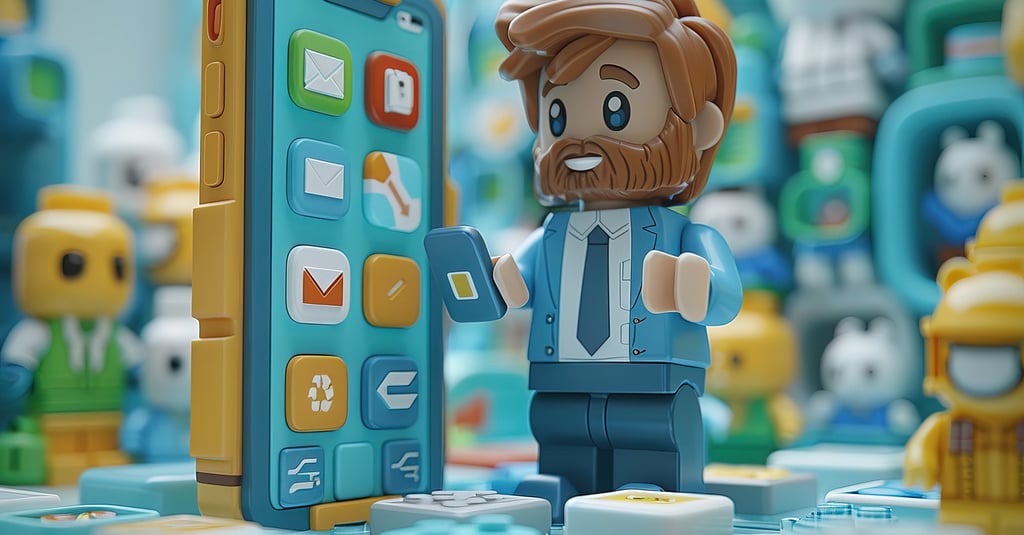
At some point, we stopped using tools and started managing them. AI noticed..
There was a time when downloading a new app felt exciting. A solution. A shortcut. A productivity boost.
Fast forward to now, and your phone looks like a digital junk drawer.
One app for notes. One for tasks. One for calendars. One for brainstorming. One for meetings. One for “focus.”
Three you forgot why you installed. Somewhere along the way, productivity turned into project management for your own life.
At first, more apps felt like progress.
Each one promised to fix a specific problem. And individually, they weren’t wrong. But collectively? They created a new problem: constant context switching.
You don’t do the work anymore you prepare to do the work. Open the app. Find the doc. Switch tabs. Copy-paste. Repeat. Efficiency quietly turned into friction.
Then AI showed up and asked an uncomfortable question:
“What if you didn’t need all of this?” Not another app. Not another dashboard. Just… one place where you describe what you want, and it helps you do it. That’s when the shift began.
AI tools don’t replace apps by doing one thing better.
They replace them by doing many things well enough, in the same conversation.
You don’t open a note-taking app — you ask the AI to summarize.
You don’t open a planning tool — you ask it to break down your week.
You don’t open a spreadsheet — you ask it to analyze the data.
No menus. No setup rituals. No “where did I save that again?” Just intent → action.
This is why AI feels different from past productivity tools.
Apps are rigid. AI is fluid. Apps force you into workflows. AI adapts to how you work.
Instead of switching tools, you stay in flow and flow, it turns out, is what we were missing all along.
Of course, specialists still matter.
Designers still need Figma. Developers still need IDEs. Analysts still need spreadsheets.
But AI is becoming the hub the place where thinking starts and ends, while specialist tools quietly plug in when needed. The tool stack is shrinking. The assistant is growing.
There’s also a psychological shift happening.
People are tired of learning interfaces. Tired of onboarding tutorials. Tired of yet another “new productivity system.”
Talking to an AI feels… human. Messy. Forgiving. Flexible.
You don’t need to remember where a feature lives. You just ask.
This doesn’t mean apps are disappearing overnight.
But the era of one problem = one app is clearly fading.
We’re moving toward:
One AI → many tasks
One interface → many workflows
One place → less mental clutter
App overload isn’t dying because apps failed. It’s dying because we reached the limit of managing them.
The future isn’t fewer tools.
It’s fewer decisions about tools. And if AI can quietly remove that friction without demanding another login, another subscription, another dashboard then yeah…
App overload never really stood a chance.
Where business meets innovation, and trends turn into opportunities. Stay sharp, stay ahead, and catch the buzz that’s shaping the future.