
The Rise of Cozy Games in a Burnt-Out World
BUILDERS
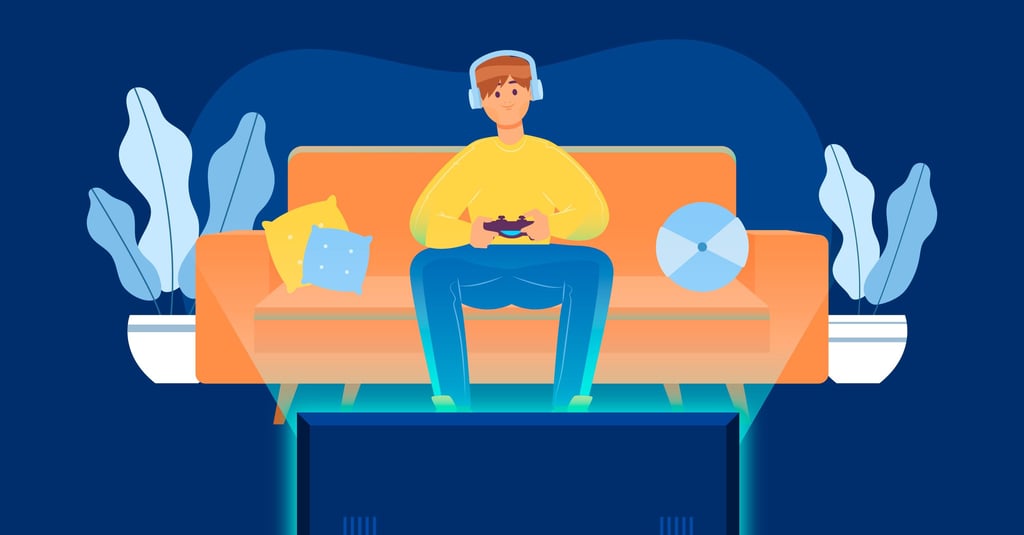
Somewhere between endless notifications, constant updates, and the quiet pressure to always be productive, games stopped being an escape and started feeling like another job.
Leaderboards. Battle passes. Daily quests. Timed events.
Even fun began to come with deadlines. And then, almost quietly, cozy games took over.
Burnout Didn’t Stay at Work
Burnout used to be a workplace problem. Now it’s a lifestyle condition.
People are tired of optimizing everything careers, bodies, hobbies, even relaxation. Traditional games followed the same path. Faster reflexes. Higher ranks. More grinding. Miss a day, fall behind.
For players already exhausted by real life, competitive intensity stopped feeling rewarding. It just felt loud.
What Cozy Games Do Differently
Cozy games don’t rush you. They don’t punish you for stopping. They don’t care if you’re “good” at them.
They replace urgency with atmosphere. Pressure with presence. Instead of asking you to win, they invite you to exist.
You farm. You decorate. You walk. You listen to soft music and let time stretch instead of shrink. Progress happens, but it’s gentle almost optional.
In a world obsessed with speed, that feels radical.
Why Control Matters More Than Challenge
Cozy games offer something rare right now: control without consequence.
There’s no failure state that matters. No anxiety about falling behind. No sense that someone else is doing it better than you. You move at your own pace, make small choices, and see calm results.
For burnt-out minds, that sense of safety is powerful. It’s not about winning. It’s about breathing.
Escapism, But the Healthy Kind
This isn’t about running away from reality. It’s about stepping into a space that doesn’t demand performance.
Cozy games give players a way to recharge without stimulation overload. They offer rest disguised as play. A place where doing nothing still feels like something.
In a strange way, they’ve become digital comfort food.
Why This Is Happening Now
The timing isn’t accidental.
Remote work blurred boundaries. Social media amplified comparison. AI accelerated everything. Even leisure started feeling optimized.
Cozy games arrived as a counterbalance slower, softer, intentionally unambitious. They’re not trying to be the biggest or the loudest. They’re trying to feel kind.
And players noticed.
A Shift in What We Value
The rise of cozy games isn’t just a gaming trend. It’s a cultural signal.
People are choosing calm over competition. Atmosphere over adrenaline. Meaning over metrics. The same shift is happening in music, work, and how people use the internet.
Cozy games are simply where it became visible first.
TL;DR
Cozy games didn’t rise because people stopped loving games.
They rose because people got tired.
In a burnt-out world, games that ask nothing and give comfort instead feel like exactly what we need.
Sometimes the most powerful escape isn’t intensity. It’s gentleness.
Where business meets innovation, and trends turn into opportunities. Stay sharp, stay ahead, and catch the buzz that’s shaping the future.