The Real Metaverse Was Roblox and Minecraft All Along
BUILDERS
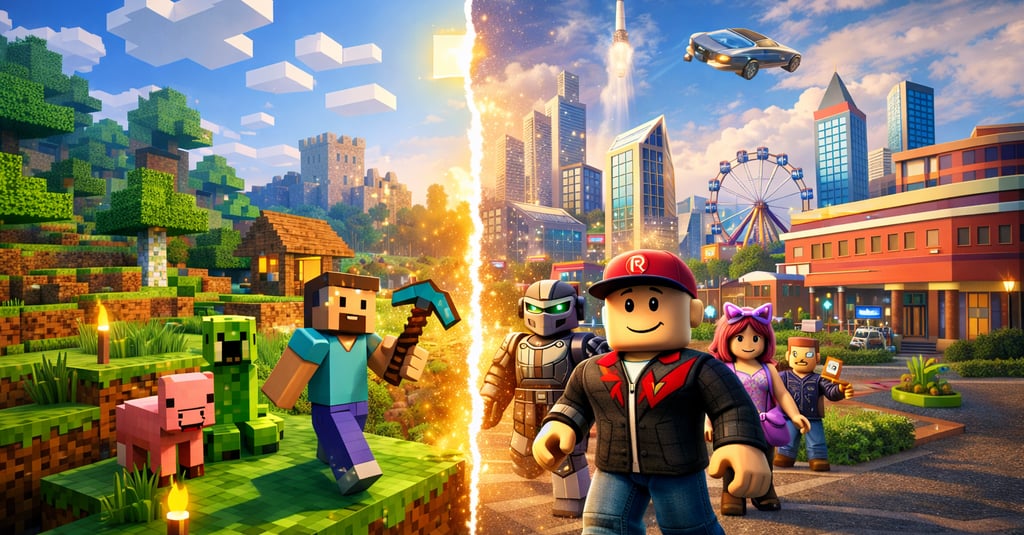
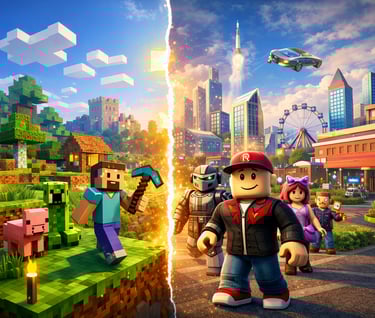
For years, tech companies tried to sell us the “metaverse.” There were keynote speeches. Billion-dollar rebrands. Futuristic avatars with no legs. Corporate demos that felt more like meetings in VR than the future of the internet.
And yet, while adults debated whether the metaverse would ever exist, millions of kids were already living inside it.
They just called it Minecraft and Roblox.
TL;DR
The metaverse wasn’t late. It just wasn’t wearing a headset. Minecraft and Roblox built persistent worlds, digital economies, creative systems, and identity layers long before tech giants tried to brand the future. While adults debated it, kids were already living inside it.
And they weren’t scrolling. They were building.
The Metaverse Was Never About Headsets
The metaverse was framed as hardware. VR goggles. AR glasses. Digital workspaces floating in 3D. But the real shift was never about devices. It was about persistent digital worlds where identity, ownership, and social interaction exist independently of physical reality.
Minecraft has had persistent multiplayer worlds for over a decade.
Roblox has hosted digital economies, creator ecosystems, and virtual events long before big tech tried to trademark the future.
The infrastructure wasn’t missing. It was just blocky.
Digital Identity Was Normal Here
In Roblox, your avatar isn’t just a character. It’s you. In Minecraft, your world reflects your imagination. Your builds become part of your reputation. Skins, outfits, and customizations aren’t trivial cosmetics.
They’re expressions of identity inside digital space. Adults argued about digital identity in Web3 panels. Kids were already practicing it after school.
Ownership Felt Real Before NFTs Tried to Explain It
One of the biggest debates in tech has been digital ownership. Do you really own virtual items? Are they valuable? Do they matter?
Ask a Roblox creator earning real money from in-game items if digital ownership is “real.”
Ask a Minecraft server admin who’s spent years building a persistent world.
Ownership doesn’t require blockchain to feel meaningful. It requires community, time investment, and identity. Roblox and Minecraft understood that early.
The Economy Already Exists
Roblox has a functioning creator economy. Developers build games, design digital clothing, and monetize experiences.
Some teenagers make serious income inside Roblox. Minecraft server owners run digital communities with their own internal systems of trade and governance.
This isn’t theoretical metaverse talk. It’s operational.
Creation Over Consumption
Most modern platforms optimize for scrolling. Roblox and Minecraft optimize for building.
In Minecraft, you mine, craft, construct, experiment. In Roblox, you design worlds, script mechanics, test gameplay, iterate. You’re not just watching content. You’re shaping it. That difference matters. The real metaverse isn’t a feed.
It’s a world you can modify.
Why Big Tech Missed the Point
Corporate metaverse attempts felt forced because they tried to simulate office spaces and social media in 3D. Minecraft and Roblox didn’t simulate the real world. They created new ones. The appeal wasn’t realism. It was possibility. Blocky graphics didn’t matter because creativity mattered more than fidelity.
Why This Matters in 2026
As AI reshapes work and digital life becomes more immersive, the generation raised inside Minecraft and Roblox already understands something important: Digital spaces are real spaces. Not because they replace physical life. But because they shape identity, creativity, and community. The next version of the internet won’t be announced on a keynote stage. It will grow quietly inside platforms that prioritize creation over spectacle.
Where business meets innovation, and trends turn into opportunities. Stay sharp, stay ahead, and catch the buzz that’s shaping the future.