
The Computer Isn’t Personal Anymore. It’s Collective.
AI NOW
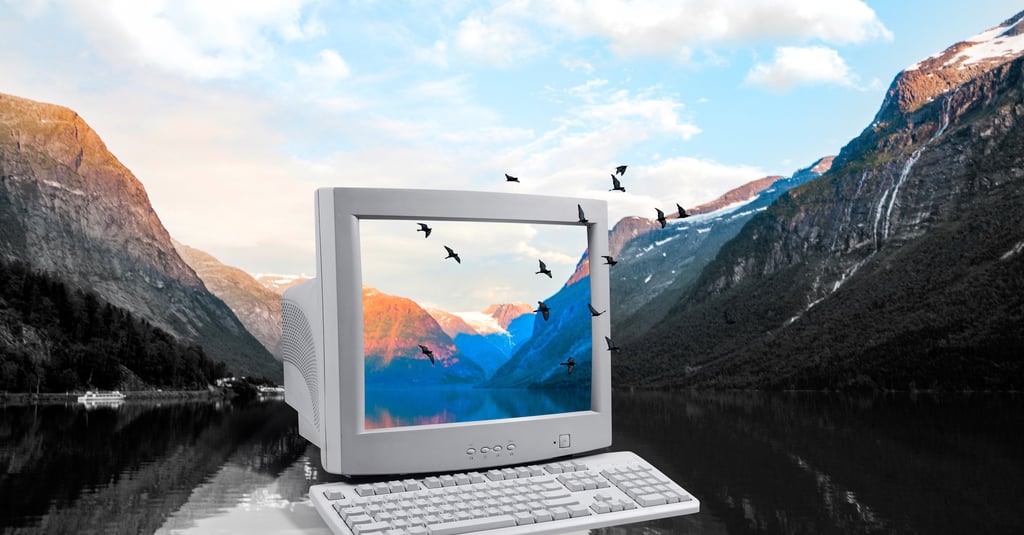

For decades, computing was personal. Your files lived on your machine. Your software ran locally. Your device was the center of your digital life. From desktops to laptops to smartphones, everything revolved around one idea: control through hardware.
But that model is quietly breaking. Not collapsing overnight but dissolving.
We’re moving from personal machines to something less visible, less tangible, and far more powerful: the collective computer.
TL;DR
The computer isn’t personal anymore. It’s collective. Your device is just the interface. Real computation now happens across shared systems powered by cloud and AI. You don’t just use a computer. You tap into one.
From Personal Machines to Shared Intelligence
The personal computer era was defined by boundaries. Your device. Your storage. Your processing power. Even the internet, in its early days, was something you accessed through your own machine. The device was the gateway, and everything else was secondary.
That relationship is changing. Today, the most powerful computing isn’t happening on a single device. It’s happening across distributed systems, cloud infrastructure, AI models, APIs, and networks that operate far beyond any one machine.
When you interact with modern AI-powered tools, you’re not relying on your device’s intelligence. You’re tapping into a shared layer of computation.
The Device Is Just a Portal
Look at how we use technology now. You start a task on one device, continue it on another, and finish it somewhere else effortlessly. Files sync instantly. Apps behave consistently. Workflows aren’t tied to hardware anymore.
The device is no longer the system. It’s the portal. What matters isn’t where the computation happens; it’s that it happens seamlessly. And increasingly, it happens somewhere else.
AI Makes the Shift Clear
Artificial intelligence accelerates this transition. Large models don’t live on personal devices. They exist in massive, distributed environments. When you interact with them, you’re connecting to computation that no single machine could ever host.
Your computer isn’t your device anymore. It’s the network. Every query, prompt, or automated workflow taps into a collective layer of intelligence that exists beyond ownership.
The Collective Computer
The collective computer isn’t a product you buy. It’s a shift in how computing works. Instead of isolated machines doing isolated work, computation becomes shared, distributed, and continuously improving.
Your tools get smarter over time, not because your device upgrades, but because the system behind them evolves. Your workflows become fluid not because your hardware is powerful, but because it’s connected. The intelligence isn’t local.
It’s collective.
Ownership Feels Different Now
In the PC era, ownership was clear. You owned the device. You controlled the software. You managed the system. Now, ownership is abstract. You don’t own the intelligence you’re using. You access it. You subscribe to it. You rely on it. Your work exists across systems you don’t fully control.
That shift introduces trade-offs: convenience for control, access for dependency. But it also unlocks new levels of capability that personal machines alone could never deliver.
Why This Shift Matters
This isn’t just a technical evolution. It’s a behavioral one. People no longer think in terms of “my computer.” They think in terms of “my workflow,” “my tools,” “my access.”
The hardware fades into the background. The experience becomes everything. And that experience is powered by systems bigger than any single device.
The Future Feels Invisible
The most powerful technology often becomes the least visible. Electricity did that. The internet did that. Computing is following the same path.
You won’t think about where your data lives or where the processing happens. You’ll simply expect it to work instantly, intelligently, everywhere. The collective computer won’t be something you buy.
It will be something you exist within.
Where business meets innovation, and trends turn into opportunities. Stay sharp, stay ahead, and catch the buzz that’s shaping the future.