
SaaS Isn’t Dead. It’s Being Rewritten by AI
AI NOW
For the last two decades, software followed a predictable playbook. Build a category. Scale it. Lock in customers. Charge per seat. Defend with complexity.
That was SaaS. It worked. Until now.
Because AI didn’t just improve software; it changed how software is created, delivered, and consumed. And in the process, it’s quietly rewriting the rules of the entire industry.
TL;DR
SaaS isn’t dead. It’s being rewritten. AI is transforming software from fixed products into adaptive systems that learn, evolve, and customize continuously. The old model is breaking. The new model is intelligent, dynamic, and system-driven. You won’t just use software anymore. It will evolve with you.
The Old SaaS Model Is Breaking
The traditional SaaS model was built on one key assumption: software is hard to build. It takes years of engineering, massive teams, and deep infrastructure. That complexity created barriers to entry and allowed companies to charge premium margins. But AI changes that equation.
Today, with tools like GitHub Copilot and Claude, building software is faster, cheaper, and more accessible than ever. What once took months can now take days, and what once required teams can now be done by individuals. The barrier isn’t gone, but it’s collapsing.
Why “Just Build It with AI” Is a Myth
There’s a growing narrative that you no longer need to buy software because AI can simply generate it for you. It sounds compelling, but it misses something fundamental. Companies are not trying to become experts in building HR systems, finance tools, or CRMs.
They want reliable, secure, and stable systems that work without constant intervention. Software is not just code. It is requirements, workflows, integrations, security, maintenance, and trust. AI can generate parts of that. But it cannot yet replace the entire system.
The Real Shift: From Products to Systems
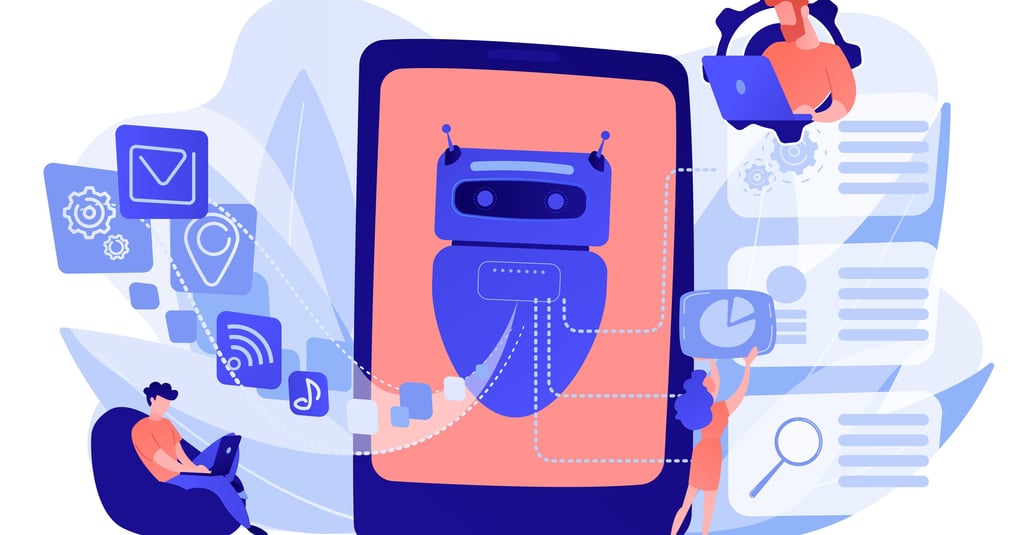
What’s happening is not the death of software, but its transformation. Software is moving from fixed products to adaptive systems.
Instead of rigid, one-size-fits-all tools, companies will increasingly rely on systems that evolve based on their needs. These systems will adapt workflows, refine processes, and improve continuously over time.
The product is no longer static. It learns.
AI Becomes the Core Layer
In this new world, AI is no longer a feature. It is the foundation. Modern software will be built around intelligence that can customize, optimize, and evolve.
The value of software shifts away from what it does and toward how well it adapts. The more intelligent the system, the more valuable it becomes over time.
Builders Are Becoming Orchestrators
AI is also changing how software gets built. Developers are no longer just writing code. Increasingly, they are directing systems that generate it. With tools like GitHub Copilot, a significant portion of code can now be produced automatically.
This changes the nature of the role. What matters is no longer just execution, but direction. Developers define goals, shape architecture, verify outputs, and make strategic decisions about what should be built and how it should function. The work shifts from coding to thinking.
Why Starting From Scratch Wins
AI introduces an interesting advantage for new systems.
Teams building from scratch are seeing massive acceleration. They can design systems natively around AI, move faster, and iterate quickly.
In contrast, companies with large legacy codebases face a different reality. Refactoring existing systems with AI is still complex and slow. It requires navigating years of accumulated structure and dependencies.
This creates a window of opportunity where smaller, faster teams can compete with much larger incumbents.
The New Economics of Software
As software evolves, so does its business model. The traditional seat-based pricing model is starting to feel outdated. It was built for a world where access to software was the primary value.
In an AI-driven world, value comes from usage, output, and intelligence. Pricing models will increasingly reflect consumption, similar to utilities. You don’t just pay for access. You pay for what the system produces.
What Becomes the New Moat?
If building software becomes easier, differentiation must come from somewhere else. The advantage shifts toward distribution, data, network effects, and workflow ownership.
Companies that control how work gets done will have more leverage than those that simply provide tools. The moat is no longer just the product. It is the system around it.
The Bigger Shift
This is not just a change in software. It is a change in how we think about technology. We are moving from static tools to adaptive systems, from human-built workflows to AI-assisted ones, from ownership to access, and from execution to orchestration.
The companies that understand this shift early will not just adapt. They will define what software becomes next.
Where business meets innovation, and trends turn into opportunities. Stay sharp, stay ahead, and catch the buzz that’s shaping the future.