Roblox Isn’t Just a Game. It’s a Startup Incubator
BUILDERS
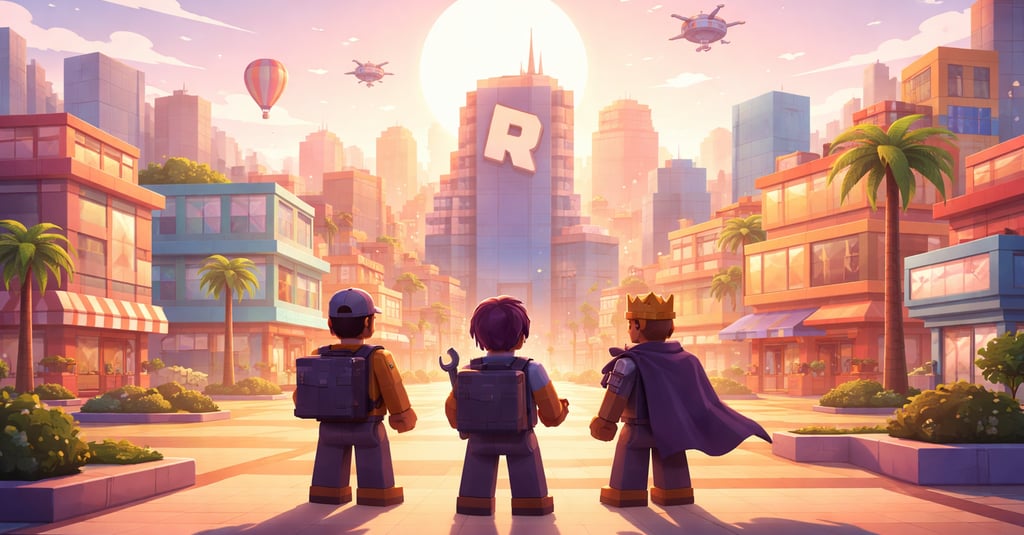
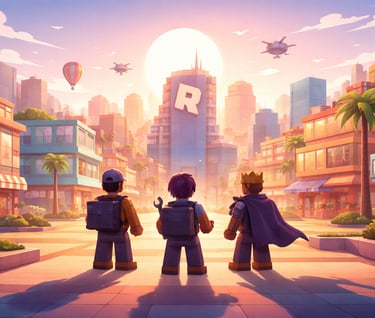
Most adults still think of Roblox as a colorful kids’ game filled with blocky avatars and chaotic mini-worlds.
That assumption misses the point entirely.
Roblox isn’t just a place where kids play. It’s a place where they build, test, monetize, and iterate. It’s not just entertainment. It’s apprenticeship disguised as fun.
TL;DR
Roblox isn’t just a kids’ game it’s a live startup lab. Teenagers aren’t just playing; they’re building full games, testing ideas, monetizing digital products, and learning real-world product thinking in real time. While adults debate the future of creator economies and the metaverse, millions of young users are already living inside it designing, iterating, and earning. Roblox doesn’t just entertain. It trains the next generation to build.
The Platform Where Play Turns Into Product
Inside Roblox, millions of users aren’t just consuming content. They’re creating it. Entire experiences are built by teenagers using Roblox Studio, the platform’s development tool. These aren’t cosmetic tweaks or minor edits. They’re full games, complete with mechanics, economies, progression systems, and community management. Some of those creators earn real money.
And that’s where things shift from “game” to “platform.”
Entrepreneurship Without the Gatekeepers
For decades, entrepreneurship required capital, access, and technical barriers. You needed funding, infrastructure, distribution. Roblox collapses those barriers. A teenager with a laptop can design a world, publish it instantly, and reach millions of players. If the game gains traction, revenue follows.
It’s messy. It’s chaotic. But it’s real.
Learning Product Thinking Without Calling It That
What makes Roblox powerful isn’t just that users can create. It’s that they can observe the entire lifecycle of a product in motion. They see what players like.
They track engagement.
They tweak mechanics.
They redesign maps.
They experiment with pricing models for in-game items.
They learn iteration without calling it iteration.
They learn product-market fit without reading a startup blog.
Failure happens quickly. Feedback happens instantly. Improvement is continuous.
A Digital Economy That Feels Normal
Roblox also reshapes how young users understand ownership and value.
Virtual items, skins, and digital experiences carry emotional and economic weight. The line between “real” and “virtual” value feels less rigid when you’ve spent months building something that thousands of players explore daily.
Digital space isn’t abstract to them. It’s tangible. And that’s the quiet shift many people underestimate.
The Metaverse That Didn’t Need a Keynote
When tech companies talk about the future of the metaverse, creator economies, or decentralized digital work, they’re describing something Roblox has been hosting for years just without the buzzwords. It’s imperfect. It has moderation challenges. It has quality gaps.
But structurally, it represents something powerful: an open system where young builders can experiment in public and learn in real time.
Why This Matters Beyond Gaming
Roblox doesn’t just entertain. It trains. It teaches that digital worlds can be shaped. That ideas can be tested quickly. That value can emerge from imagination and code. It normalizes the idea that you don’t just use software you build inside it.
The next wave of founders may not come from computer science classrooms alone. They might come from Roblox servers. And when they do, they won’t see the internet as a place to scroll. They’ll see it as something to construct.
Where business meets innovation, and trends turn into opportunities. Stay sharp, stay ahead, and catch the buzz that’s shaping the future.