
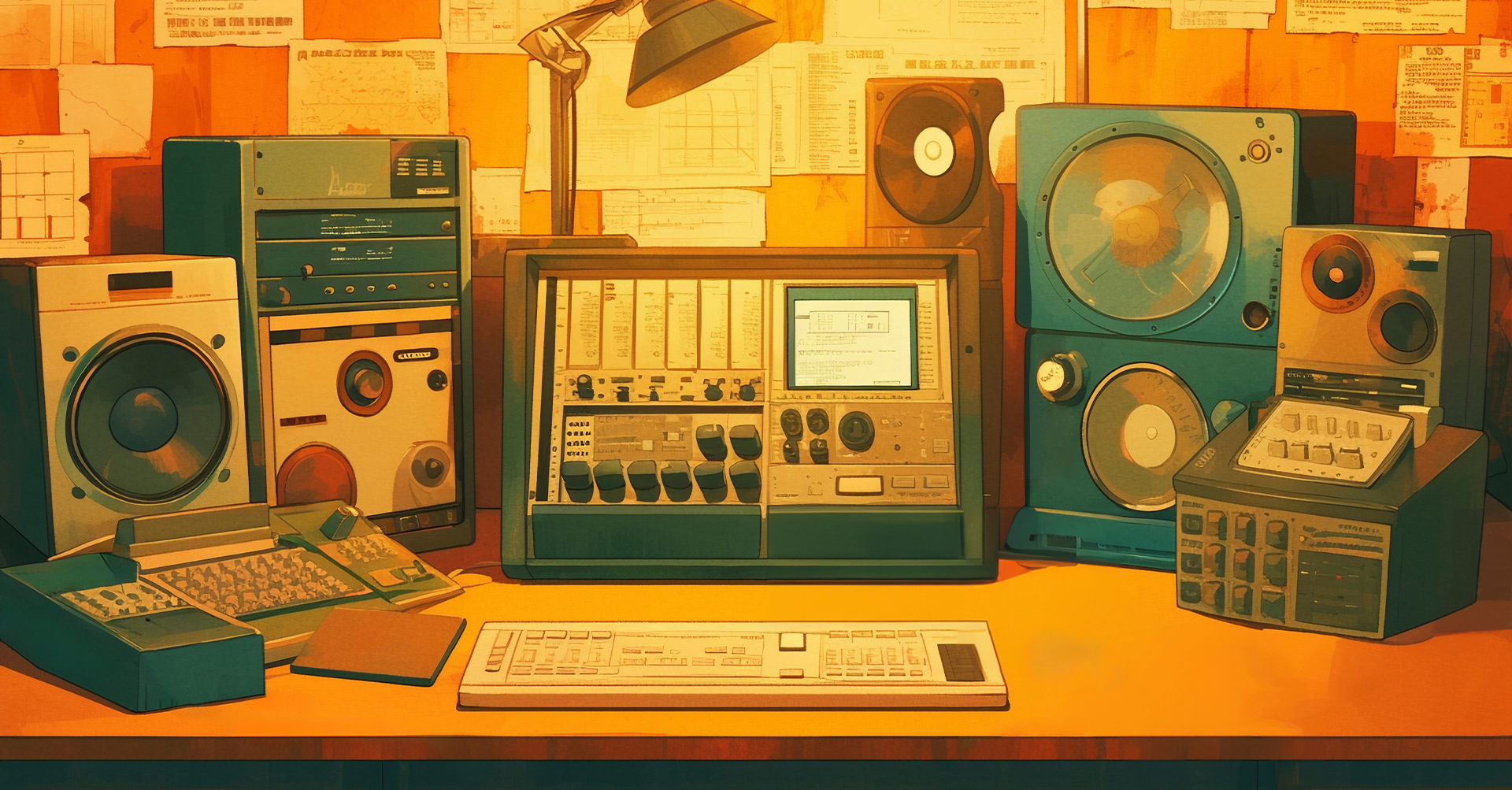
There’s a quiet shift happening in tech right now. After years of ultra-optimized smartphones, cloud-first workflows, and algorithm-heavy everything, people are intentionally going backwards not out of necessity, but preference.
Retro tech is returning, but not as a museum piece. It’s coming back rebuilt: smarter internals, cleaner UX, and a deliberate focus on slowing things down.
From writing without notifications to listening to music on physical media again, here’s how nostalgic hardware is finding new relevance in 2026.
TL;DR
- Retro tech is making a strong comeback by blending nostalgia with modern features
- Devices like Polaroid cameras, cassette players, and boom boxes are being reimagined for today
- Brands like Fujifilm, Kodak, Freewrite, and We Are Rewind are leading the revival
- People are choosing simpler, distraction-free gadgets over always-connected smart devices
- This trend is less about the past and more about intentional, focused tech experiences
Digital Typewriters: Focus Over Features
In a world where every device competes for attention, digital typewriters are winning by doing less. Devices like Freewrite and Pomera strip writing back to its core: just words on a screen, no browser tabs, no pings, no formatting rabbit holes.
Freewrite Smart Typewriter
Freewrite recreates the typewriter feel with mechanical keys and a distraction-free display. Drafts automatically sync to the cloud when you’re ready to edit elsewhere.
Pomera DM Series
Pomera leans closer to a compact laptop experience, adding tools like word count, document management, and offline-first writing.
The appeal isn’t nostalgia alone it’s controlled attention in an always-connected world.
Boom Boxes, Cassette Culture, and Vinyl Returns
Audio hardware is where retro tech gets loud literally. Modern boom boxes and cassette players aren’t trying to compete with Spotify on convenience. They’re competing on experience.
We Are Rewind
We Are Rewind modernizes the classic boom box with Bluetooth, rechargeable batteries, and cassette playback, while keeping the oversized, tactile feel of the original era.
Bumpboxx
Bumpboxx leans fully into nostalgia with bold designs, cassette support, USB recording, and powerful speaker systems built for outdoor use.
Retrospekt
Retrospekt focuses on minimalist cassette players inspired by classic Walkman-style devices, updated with USB-C charging and modern portability.
Kickback World
Kickback World brings vinyl culture into modern design spaces with record players that feel more like art objects than appliances.
The trend here is simple: music is becoming physical again not because digital failed, but because it became too invisible.
Instant Cameras: Imperfect Photos, On Purpose
Instant photography is one of the strongest retro revivals, and it makes sense. In a world of infinite digital shots, physical photos force intention.
Polaroid
Polaroid continues evolving its instant cameras with autofocus systems and app connectivity while preserving its signature film aesthetic.
Fujifilm Instax
Fujifilm Instax blends analog printing with digital flexibility, allowing users to shoot, edit, and print instantly from hybrid devices.
Kodak
Kodak keeps the disposable and retro camera culture alive while experimenting with compact digital throwback devices for casual photography.
What makes instant cameras stick isn’t image quality it’s the delay, the surprise, and the fact that you only get one shot that matters.
Retro Phones: Less Screen, More Intention
Phones are also being pulled backward in design philosophy. Not away from functionality but away from overload.
Tin Can
Tin Can reimagines landline-style calling for kids using WiFi-based communication with controlled contact lists and parental oversight.
Clicks Keyboard Phone
Clicks brings back the physical keyboard experience reminiscent of older smartphones, targeting users who want productivity without constant app distraction.
These devices reflect a growing sentiment: communication doesn’t need to be constant to be meaningful.
Why Retro Tech Is Coming Back Now
This isn’t just nostalgia marketing. It’s behavioral correction. Modern tech optimized for:
- speed
- engagement
- multitasking
- infinite content
Retro tech optimizes for:
- focus
- ownership
- intentional use
- slower interaction cycles
The result is a hybrid category: old ideas rebuilt with modern reliability.
Retro Tech, Redefined
Retro tech isn’t replacing modern devices it’s escaping from them. It sits in the gaps: writing without distraction, listening without streaming, photographing without scrolling, and communicating without overload.
And in a world where everything is trying to be smarter, faster, and more connected, that simplicity feels increasingly like the real innovation.
Related Buzz: We also covered [Cyberdecks Are Back And 2026 Might Be Their Moment]