
Remember 2016? Pokémon GO Never Really Left
BUILDERS
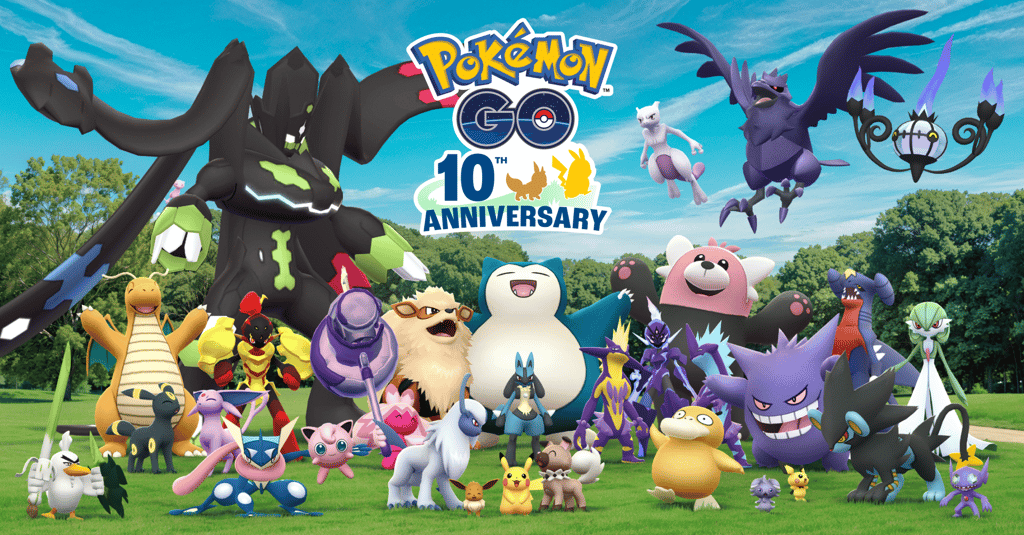
In July 2016, something unusual happened.
People walked more. Not for fitness. Not for errands. But to catch Pokémon. Pokémon GO, developed by Niantic in collaboration with Nintendo and The Pokémon Company, didn’t just launch as a mobile game.
It redefined what a game could be.
TL;DR
In 2016, Pokémon GO turned the real world into a game. In 2026, it’s a living system that continues to evolve. From simple exploration to complex gameplay, it has grown without losing its core.
Walk. Catch. Explore. That loop still works.
When the World Became the Map
At launch, the idea was simple but powerful. Use GPS, augmented reality, and real-world locations to turn everyday spaces into a playable map. Streets became routes. Parks became hotspots. Landmarks became PokéStops and Gyms.
Players didn’t just play the game. They moved through it. Catching Pokémon wasn’t about sitting in one place. It required walking, exploring, and sometimes chasing a rare spawn across neighborhoods.
For a moment, the digital and physical worlds felt seamlessly connected.
The Explosion of 2016
The early days of Pokémon GO were chaotic and electric. Servers crashed under demand. Cities saw crowds gathering late into the night. Social media filled with sightings, tips, and stories. It became one of the fastest-growing mobile games in history, reaching tens of millions of players within weeks.
But what made it unique wasn’t just scale. It was shared experience. Strangers talked. Groups formed. Public spaces felt alive in a new way.
From Exploration to Systems
As the initial excitement stabilized, the game began to deepen. New Pokémon generations were added, expanding beyond the original 151. Weather systems influenced spawns. Raids introduced cooperative battles. Trading and friendships added social layers.
What started as a simple loop evolved into a structured system. Players began optimizing gameplay. They tracked IVs, built battle teams, planned routes, and coordinated raids with precision. The game shifted from curiosity to strategy.
The Rise of Competitive Play
With the introduction of PvP battles and leagues, Pokémon GO moved beyond collection into competition. Players weren’t just catching anymore. They were training, optimizing, and competing. Matchups mattered. Move sets mattered.
Timing mattered. The game that once felt casual now supported a deeper layer for those who wanted mastery.
Adapting to a Changing World
One of the most defining moments came when the world itself changed. A game built around movement had to adapt during global lockdowns. And it did. Remote raids allowed players to participate from home. Incense became more effective.
Events became more accessible. The game proved it could evolve beyond its original constraints. It wasn’t just tied to location. It was tied to engagement.
A Live Game That Never Stops
By the mid-2020s, Pokémon GO had fully transitioned into a live service experience. Regular events, seasonal themes, limited-time Pokémon, and global challenges created a constant sense of activity.
There was always something happening. The world map wasn’t static anymore. It was dynamic, responsive, and continuously evolving.
2026: Familiar, Yet Different
A decade later, the game is almost unrecognizable in depth yet instantly familiar in feel. There are hundreds of Pokémon, layered mechanics, and multiple ways to engage.
Casual players still open the app during a walk. Dedicated players plan their gameplay around events and optimization. Both experiences coexist. And at the center of it all, the original loop remains unchanged. Walk. Catch. Explore.
What Made It Last
Most mobile games peak and fade. Pokémon GO didn’t. Its success wasn’t just about nostalgia or brand power. It was about merging two worlds. The digital and the physical.
The structured and the spontaneous. The game didn’t replace reality. It enhanced it.
More Than a Game
Over ten years, Pokémon GO has become something else entirely. A platform. A system layered onto everyday life. A reason to step outside, even briefly, and see familiar places differently. It may not feel as explosive as it did in 2016. But it’s far more resilient.
Where business meets innovation, and trends turn into opportunities. Stay sharp, stay ahead, and catch the buzz that’s shaping the future.