
Games as Therapy: The Psychology of Cozy Play
BUILDERS
Once upon a time, games were blamed for everything.
Bad grades? Games. No social life? Games. World stress? Somehow… also games.
Fast forward to now, and something funny has happened. People aren’t playing games to escape responsibility anymore. They’re playing games because reality refuses to take a day off.
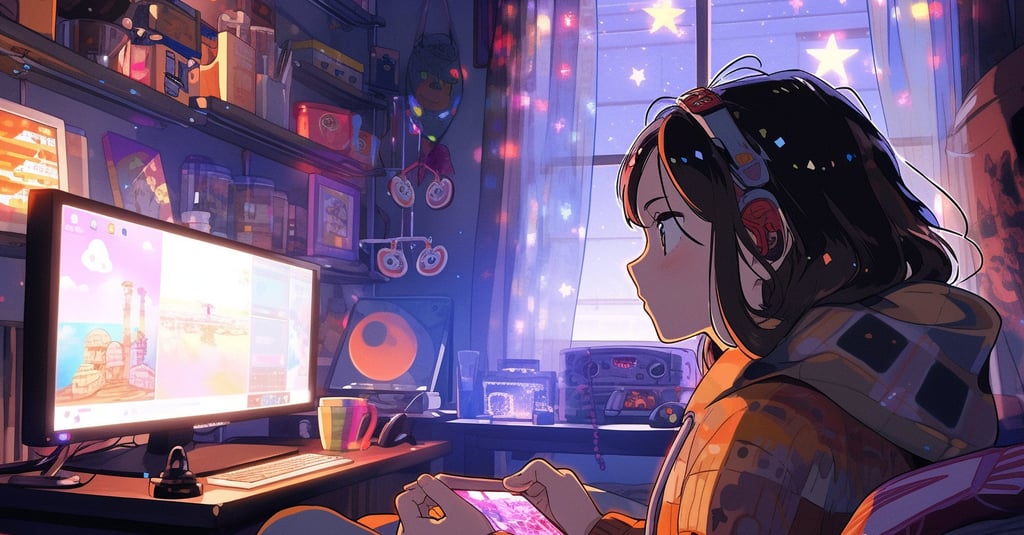
Welcome to cozy games where the biggest challenge is deciding where to place a virtual plant.
Burnout Is the Real Final Boss
Modern life is basically a live-service game with no pause button.
Notifications respawn instantly. Work quests never end. Even “relaxing” comes with productivity guilt. Somewhere along the way, everyone’s nervous system entered permanent hard mode.
Cozy games show up and say, “Hey. You can sit down. Nothing bad will happen if you stop.”
Honestly? Revolutionary.
Low Stakes, Because We’re Tired of Stakes
Traditional games love stakes. Win or lose. Rank up or fall behind. Miss a day and suffer consequences.
Cozy games politely reject that energy. No timers. No penalties. No pop-ups screaming urgency. You can walk away mid-task and the game doesn’t take it personally. Try that with your email.
Psychologically, this matters. Safety isn’t exciting but it’s healing. And right now, most brains are craving safety more than dopamine spikes.
Control Without Consequences (A Rare Luxury)
Therapy often focuses on restoring a sense of control. Cozy games accidentally do this very well.
You plant seeds. They grow. You decorate a room. It stays decorated. You help a character. They don’t forget and ghost you.
Small actions lead to predictable outcomes a concept that feels almost fictional in real life.
For a burnt-out brain, this kind of gentle cause-and-effect is soothing. No surprises. No chaos. Just quiet competence.
Repetition Isn’t Lazy — It’s Regulating
Critics love saying cozy games are boring. That’s the point.
Repetition lowers cognitive load. Familiar tasks tell your brain, “You’re safe. Nothing is chasing you.” This is why people rewatch the same shows, replay the same games, and listen to the same songs during stressful times.
Your brain isn’t bored. It’s resting.
Escapism, But Make It Healthy
Cozy games don’t demand adrenaline or hyper-focus. You’re present, but not pressured. Engaged, but not consumed.
They don’t pull you out of reality they give you a softer version of it. Think less “escape the world” and more “step into a place where nothing is on fire.”
Why Cozy Games Are Thriving Right Now
This isn’t a coincidence or a trend cycle. Remote work blurred boundaries. Social media amplified comparison. AI accelerated everything. Even hobbies started feeling optimized.
Cozy games responded by doing the unthinkable: slowing down.
They don’t want your grind. They don’t want your metrics. They just want you to exist comfortably for a while. In 2026, that’s premium content.
Not Therapy, But Definitely Therapeutic
Let’s be clear: cozy games aren’t a replacement for therapy.
But they are emotional first aid. They help regulate stress, reduce overwhelm, and remind people what calm feels like especially when real-world support is expensive, inaccessible, or awkward to schedule between meetings.
Sometimes healing starts with watering virtual plants and petting a pixelated cat. No judgment.
TL;DR
Cozy games didn’t rise because people stopped liking challenge. They rose because people stopped liking constant pressure.
In a burnt-out world, games that ask nothing and offer comfort feel less like entertainment and more like self-care with better music. You don’t need to win. You just need to breathe.
Where business meets innovation, and trends turn into opportunities. Stay sharp, stay ahead, and catch the buzz that’s shaping the future.