
Airbnb is no longer just the app where someone rents out their extra room with “minimalist decor” and suspiciously artistic lighting.
The company is officially expanding into Airbnb hotels, while also pushing deeper into AI-powered customer support, travel services, and transportation features; turning the platform into something much bigger than short-term rentals.
The update adds boutique hotel listings across 20 cities including New York City, Paris, London, Rome, and Singapore.
Users searching for short stays or last-minute bookings may now see hotel recommendations directly inside the Airbnb app.
TL;DR
- Airbnb hotels are now officially rolling out in 20 cities
- The company is expanding into transportation and travel services
- AI tools now help with host onboarding and customer support
- Airbnb’s chatbot already handles 40% of support requests
- The app is evolving into a broader travel ecosystem beyond home rentals
Airbnb Wants More Than Vacation Rentals
For years, Airbnb’s identity revolved around private homes and hosted stays. But the company now appears focused on owning a much larger part of the travel experience.
With Airbnb hotels, travellers can: filter specifically for hotels; get price-match guarantees; earn Airbnb credits on bookings; access short-stay options better suited for business or overnight trips.
The move also helps Airbnb operate more effectively in cities where short-term rental regulations have become stricter.
In places like New York City and Singapore, hotel listings offer Airbnb a way back into markets where home-sharing rules became increasingly complicated.
The “Everything Travel” App Strategy
Airbnb’s ambitions now extend well beyond accommodation.
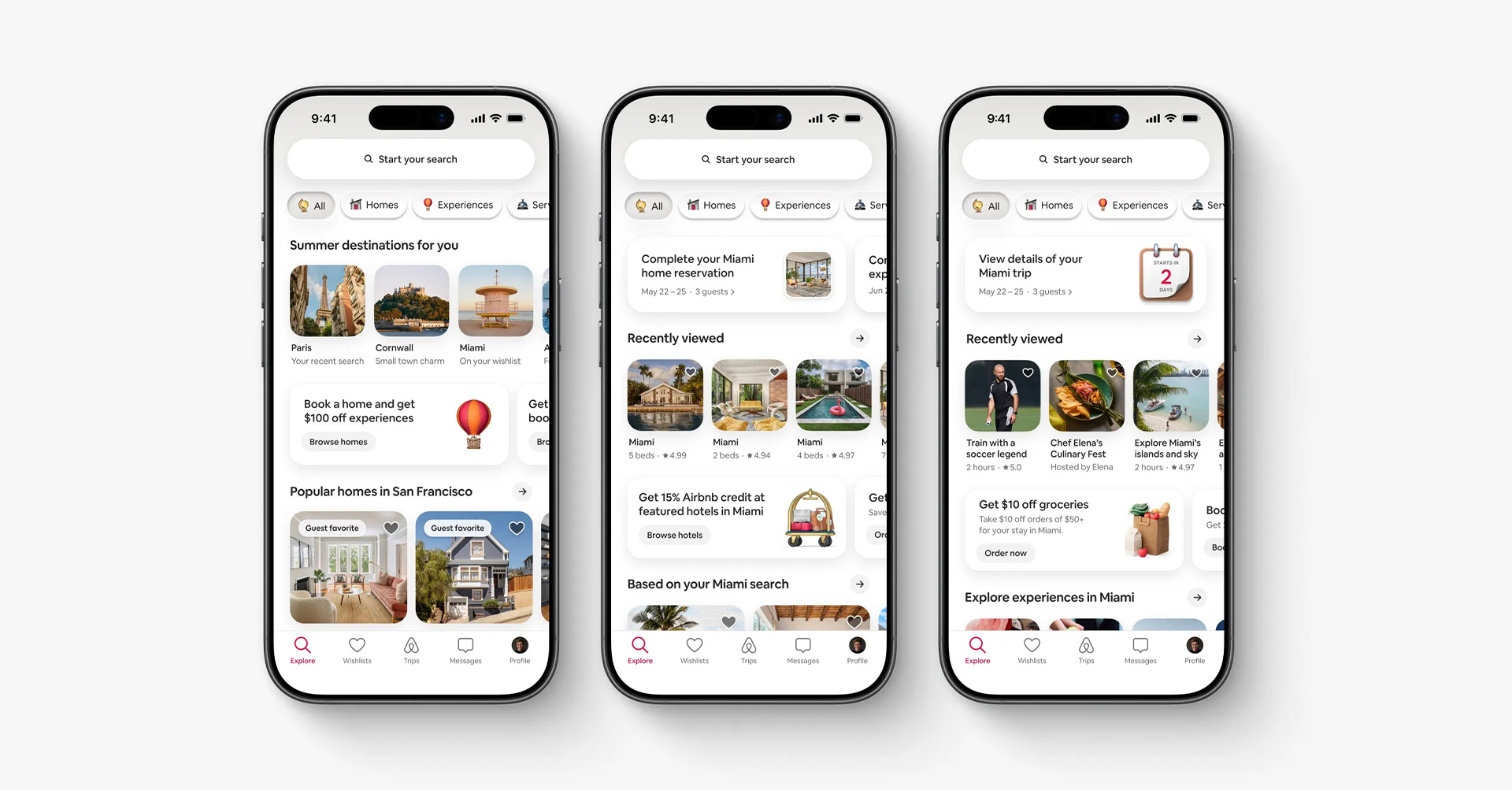
The company is gradually stacking travel-related services into one ecosystem, including: airport pickups, grocery delivery, luggage storage, food experiences, guided local tours, upcoming car rentals.
At this point, the app is slowly evolving from “book a stay” into “plan your entire trip without leaving the app.”
Which, coincidentally, is also what companies like Uber are trying to do from the opposite direction.
Travel apps are starting to look suspiciously similar to super apps. The only thing missing now is probably passport renewal and emotional support for delayed flights.
Airbnb’s AI Push Is Happening Quietly
Unlike many travel companies racing to launch flashy AI trip planners, Airbnb has taken a more practical approach.
Instead of turning the app into a chatbot-first experience, the company is using AI in smaller but more operational ways.
For hosts:
- AI can auto-fill listing details from an address
- listing setup becomes faster
For guests:
- AI-generated summaries compare wishlist properties
- review tags highlight themes like cleanliness or family-friendliness
The biggest AI rollout, however, is customer support.
Airbnb says its AI chatbot already handles around 40% of customer queries in the U.S., and the company is now expanding support globally across 11 languages.
It’s also preparing a voice-based AI assistant for customer support later this year.
So yes, the future of travel may involve explaining your lost luggage situation to an AI before speaking to a human. Progress arrives in mysterious ways.
Airbnb Is Slowly Rebuilding Itself
The redesigned Airbnb app now separates: stays, experiences, services into dedicated sections while still pushing recommendations across all categories.
The broader strategy is becoming clearer: Airbnb doesn’t just want to help users book places anymore; it wants to become the operating system for travel itself.
Hotels were probably inevitable.